Algorithmic Accountability: How to Ensure Ethical AI Development
DOI:
https://doi.org/10.63665/6927f998Keywords:
AI Ethics, Algorithmic Accountability, Ethical AI Development, Transparency, Fairness, Responsible AI, AI Transparency, Machine LearningAbstract
The rapid development of Artificial Intelligence (AI) has raised critical questions surrounding its ethical use, especially in terms of accountability. Algorithmic accountability refers to the process of ensuring that AI systems, and the decisions they make, are transparent, fair, and accountable to the public. As AI systems increasingly influence societal decisions—from hiring practices to criminal justice—it is essential to establish frameworks for ethical AI development that prioritize fairness, explainability, and transparency. This paper explores the key challenges and principles of algorithmic accountability, focusing on the role of transparency, responsibility, and governance in AI systems. Through a review of current literature, case studies, and ethical frameworks, the paper provides actionable recommendations for developers, policymakers, and organizations to promote ethical AI development. This study also discusses the importance of embedding accountability at every stage of AI system design—from data collection to deployment—ensuring that AI development aligns with ethical standards that are fundamental to ensuring societal trust and public safety.
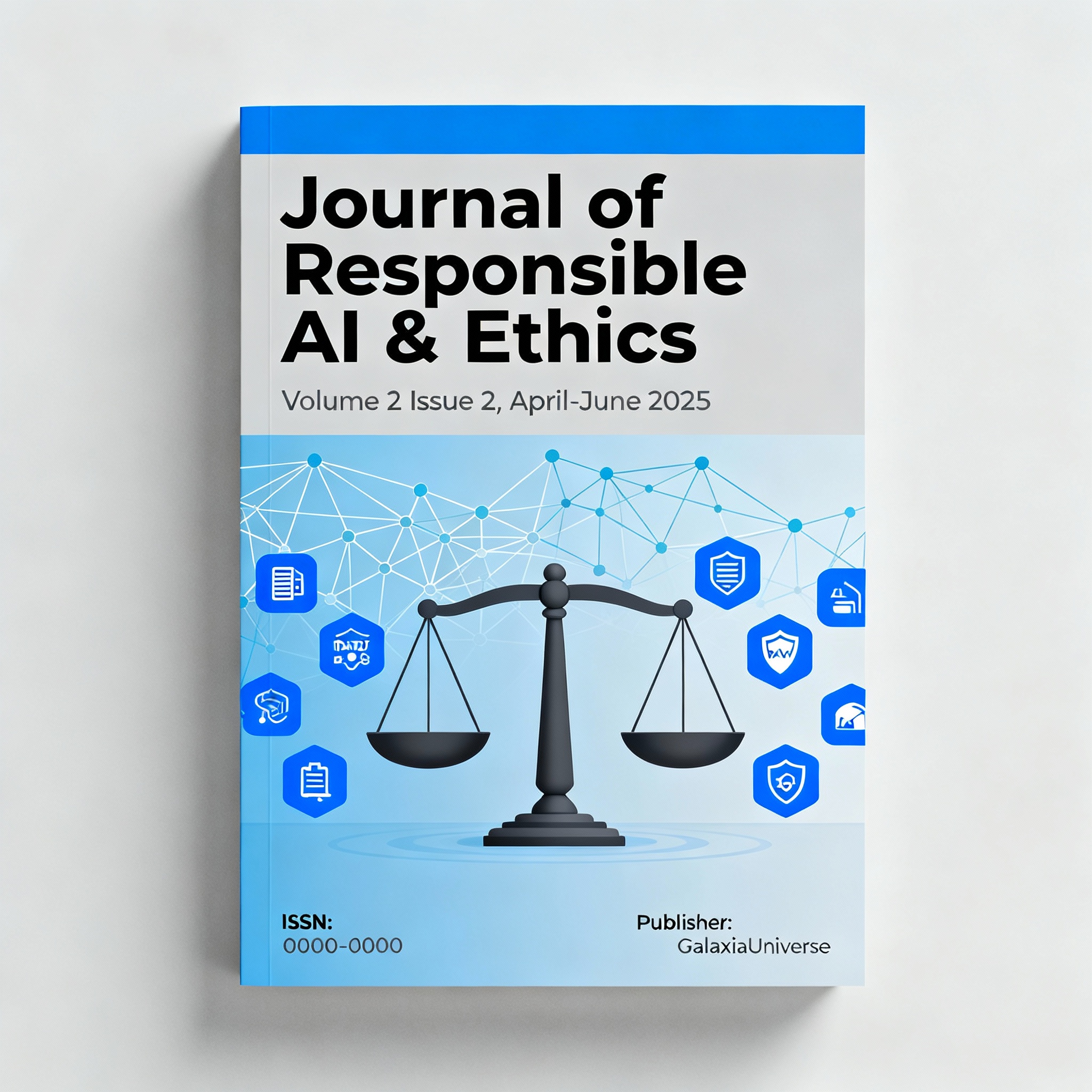
Downloads
Published
Issue
Section
License
Copyright (c) 2026 Dr. Anil Kumar Sharma (Author)

This work is licensed under a Creative Commons Attribution-NonCommercial-NoDerivatives 4.0 International License.